Get Shrubs Trimming
Local contractors offer shrub trimming services that improve curb appeal, promote healthy growth, and manage overgrown or damaged bushes around your property.
Proper shrub trimming is an essential part of maintaining the health and appearance of a property’s landscape. Well-maintained shrubs can enhance curb appeal, promote healthy growth, and prevent overgrowth that may obstruct pathways or views. Property owners in the area often consider shrub trimming as part of their regular yard care routines or when preparing for special occasions, ensuring their outdoor spaces look neat and inviting.
For those exploring options for shrub trimming services, it’s helpful to compare local contractors who specialize in landscape maintenance. Many service providers can assist with planning and executing trimming projects tailored to specific property needs. Continuing to read can provide insights into how local experts can help keep outdoor spaces attractive and well-groomed.
- Shrubs Trimming - when overgrown or unruly shrubs need shaping to improve curb appeal.
- Hedge Maintenance - for regular trimming to keep hedges neat and within property boundaries.
- Bush Pruning - to remove dead or damaged branches that can affect plant health.
- Landscape Shrub Care - when shrubs require professional trimming to enhance garden aesthetics.
- Shrub Shaping - for special occasions or seasonal updates to maintain a polished outdoor appearance.
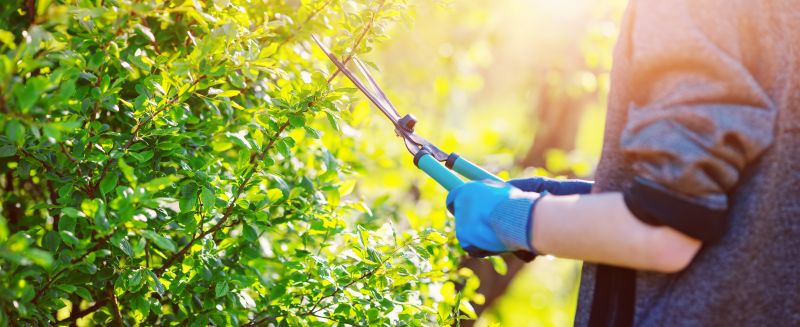
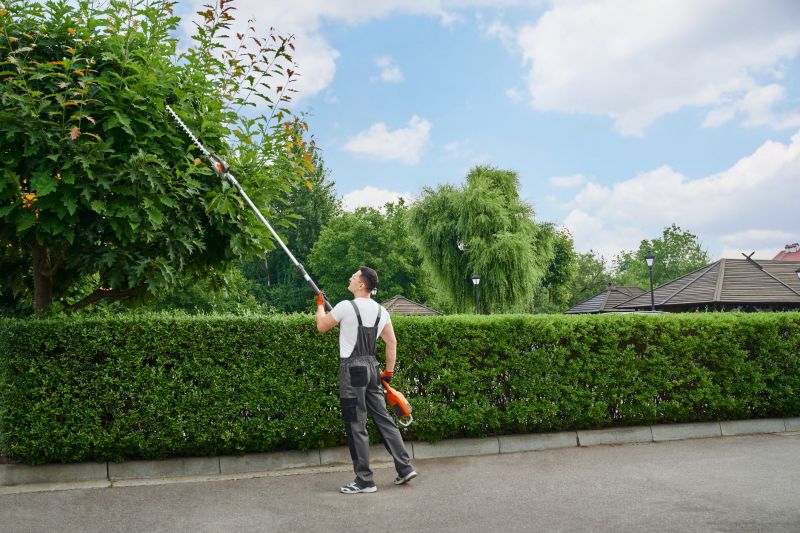

Shrubs trimming services involve carefully shaping and reducing the size of bushes and shrubs to maintain their health and appearance. This process typically includes removing dead or overgrown branches, thinning out dense foliage, and shaping plants to enhance the overall landscape design. Proper trimming encourages healthy growth, prevents plant diseases, and keeps shrubs looking tidy and well-maintained. These services are suitable for homeowners who want their gardens to look neat and attractive while ensuring their plants remain vigorous and healthy.
One of the primary problems shrub trimming helps address is overgrowth that can obscure pathways, windows, or outdoor living spaces. Overgrown shrubs can also become difficult to manage, leading to tangled branches or pests taking refuge within dense foliage. Regular trimming can prevent these issues by keeping shrubs at a manageable size and promoting better air circulation. Additionally, trimming can help remove damaged or diseased branches, reducing the risk of pests and decay spreading throughout the plant.
Shrub trimming services are often used on residential properties, including single-family homes, townhouses, and multi-unit complexes. These services are ideal for homeowners who want to improve curb appeal, maintain safety around walkways, or prepare their landscape for seasonal changes. Commercial properties, such as office parks and retail centers, may also utilize shrub trimming to keep their outdoor spaces looking professional and inviting. Regardless of property size, local contractors can tailor their trimming services to meet the specific needs of each landscape.
Homeowners typically seek shrub trimming when their plants become unruly or start to interfere with other elements of the yard. Signs that trimming may be needed include overgrown branches blocking views, shrubs that have become too tall or wide, or the presence of dead, broken, or diseased limbs. Regular trimming can help maintain the desired shape and size of shrubs, making outdoor spaces safer and more visually appealing. Contacting experienced service providers ensures that shrub maintenance is performed correctly, supporting a healthy and attractive landscape year-round.
The overview below groups typical Shrubs Trimming projects into broad ranges so you can see how smaller, mid-sized, and larger jobs often compare in your area.
In many markets, a large share of routine jobs stays in the lower and middle ranges, while only a smaller percentage of projects moves into the highest bands when the work is more complex or site conditions are harder than average.
Smaller Shrub Trimming - Typical costs for routine trimming of small to medium shrubs range from $50-$150 per job. Many routine maintenance projects fall within this range, depending on the number and size of the plants.
Medium-Size Shrubs - For larger shrubs or more detailed shaping, local contractors often charge between $150-$300. These projects are common for regular landscaping upkeep and can vary based on shrub complexity.
Hedge Trimming - Professional hedge trimming services generally cost between $200-$600 for standard jobs. Larger or more intricate hedges can push costs above this range, especially for extensive or multiple-row hedges.
Full Shrub Removal - Complete removal of shrubs typically ranges from $250-$600 for smaller, straightforward projects. Larger, more complex removals can reach $1,000 or more depending on shrub size and site conditions.
Actual totals will depend on details like access to the work area, the scope of the project, and the materials selected, so use these as general starting points rather than exact figures.
Hedge Trimming - local contractors skilled in shaping and maintaining hedges share techniques with shrub trimming, ensuring a neat and uniform appearance.
Tree Pruning - professionals experienced in pruning trees utilize similar planning and tools as shrub trimming to promote healthy growth and safety.
Garden Bed Edging - creating clean, defined garden edges involves precise trimming and shaping skills comparable to shrub maintenance.
Landscape Pruning - landscape pruning services require expertise in plant structure and tool use similar to shrub trimming for aesthetic and health purposes.
Bush Removal - removing overgrown or unwanted bushes involves careful planning and tool handling akin to shrub trimming techniques.
Topiary Shaping - shaping decorative topiary involves detailed trimming skills and planning similar to those used in shrub and hedge shaping projects.
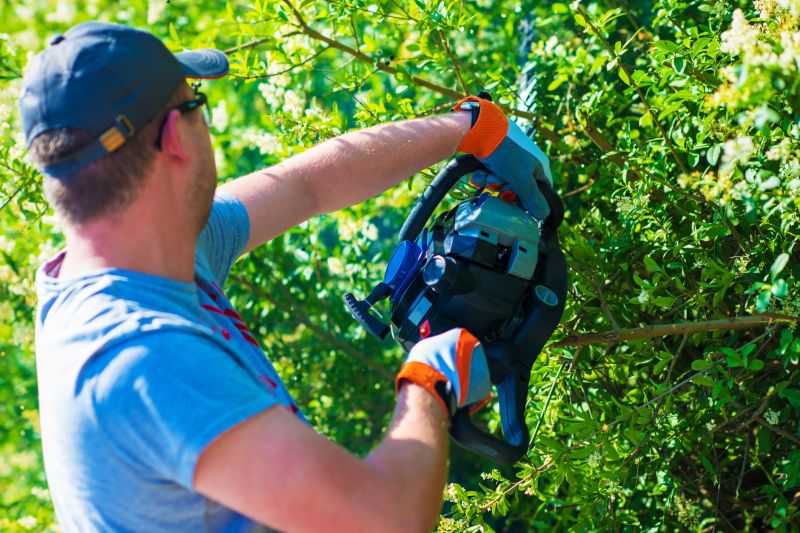
When comparing service providers for shrubs trimming, it’s important to consider their experience with similar projects. Homeowners should inquire about how long a local contractor has been performing shrub trimming and whether they have worked on properties with comparable landscaping needs. A contractor with a proven track record in handling shrub care can often deliver more consistent results, as they are familiar with different plant types and trimming techniques that promote healthy growth and aesthetic appeal.
Clear, written expectations are also a key factor in selecting the right professional. Homeowners should seek detailed descriptions of the services offered, including what is included in the trimming process and any specific outcomes to be achieved. Having this information in writing helps ensure that both parties share a common understanding of the project scope, reducing the potential for misunderstandings or unmet expectations. Reputable service providers often provide this clarity upfront, making it easier to compare options objectively.
Good communication and reputable references are essential when evaluating local contractors. Homeowners are encouraged to ask for references or reviews from previous clients to gauge the quality of the work and professionalism. Additionally, a contractor’s responsiveness to questions and their willingness to discuss project details can be indicative of their reliability and customer service approach. It’s important to remember that this site introduces homeowners to local options for shrub trimming services; it does not perform the work itself. Connecting with reputable local service providers who prioritize clear communication and have positive references can help ensure a successful project outcome.
Property owners use Shrubs Trimming services for practical projects around their homes and businesses. This guide focuses on everyday jobs and straightforward project options.
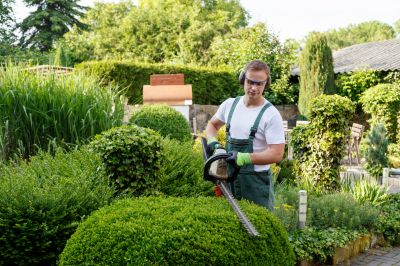
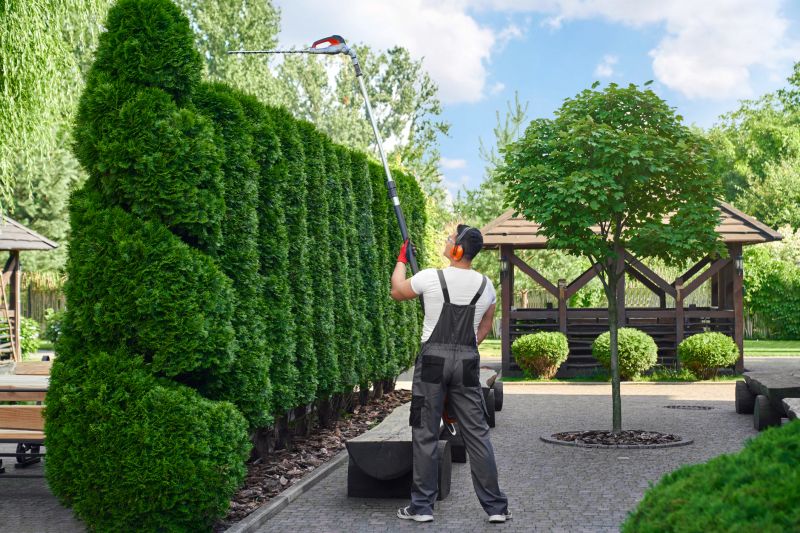
Shrubs trimming services are often sought by property owners who want to maintain a tidy and attractive landscape. Overgrown or uneven shrubs can diminish curb appeal and may even obstruct walkways, driveways, or windows. Local contractors can help keep shrubbery well-shaped and healthy, ensuring the property looks well cared for and welcoming.
Additionally, property owners might look for shrub trimming to promote plant health or prevent potential damage. Regular trimming can prevent branches from becoming too heavy or brittle, reducing the risk of breakage during storms or high winds. Local service providers can assist with these routine maintenance tasks, helping to preserve the overall appearance and integrity of the landscape.
What are the benefits of trimming shrubs regularly? Regular trimming helps maintain the shape, health, and appearance of shrubs, preventing overgrowth and removing dead or diseased branches.
How do I know if my shrubs need trimming? Signs include overgrown branches, uneven growth, or branches that are crossing or rubbing against each other, which can be addressed by a professional shrub trimming service.
What types of shrubs can local contractors trim? Most common shrub varieties, including flowering bushes, evergreen shrubs, and ornamental plants, can be trimmed by experienced service providers.
Why should I hire a professional for shrub trimming? Professionals have the expertise and tools to perform precise trimming, ensuring the health and aesthetic appeal of shrubs without causing damage.
What techniques are used during shrub trimming? Techniques include shaping, thinning, and deadheading, which help promote healthy growth and improve the overall look of the landscape.
Garden Maintenance - Regular shrub trimming helps keep garden spaces tidy and attractive for everyday enjoyment.
Landscape Enhancement - Proper trimming can shape shrubs to complement existing landscaping features and improve curb appeal.
Safety and Clearance - Trimming overgrown or obstructive shrubs ensures safe walkways and clear sightlines around the property.
Seasonal Cleanup - Shrub trimming during seasonal changes prepares plants for healthy growth and prevents damage from dead or broken branches.
If you are thinking about Shrubs Trimming for a property, this guide is meant to help you understand the work, the typical project types, and how different options might fit your plans.
When you are ready, you can use the quote form on this page to share a few details about your project. From there, local pros can review the basics and respond with options that match what you have in mind.